Indigo Airline Walk-In Interviews
- 29. Sep, 2026
Gulf Air Now Hiring Female
- 29. Sep, 2026
Singapore Airlines Is Hiring Customer
- 29. Sep, 2026


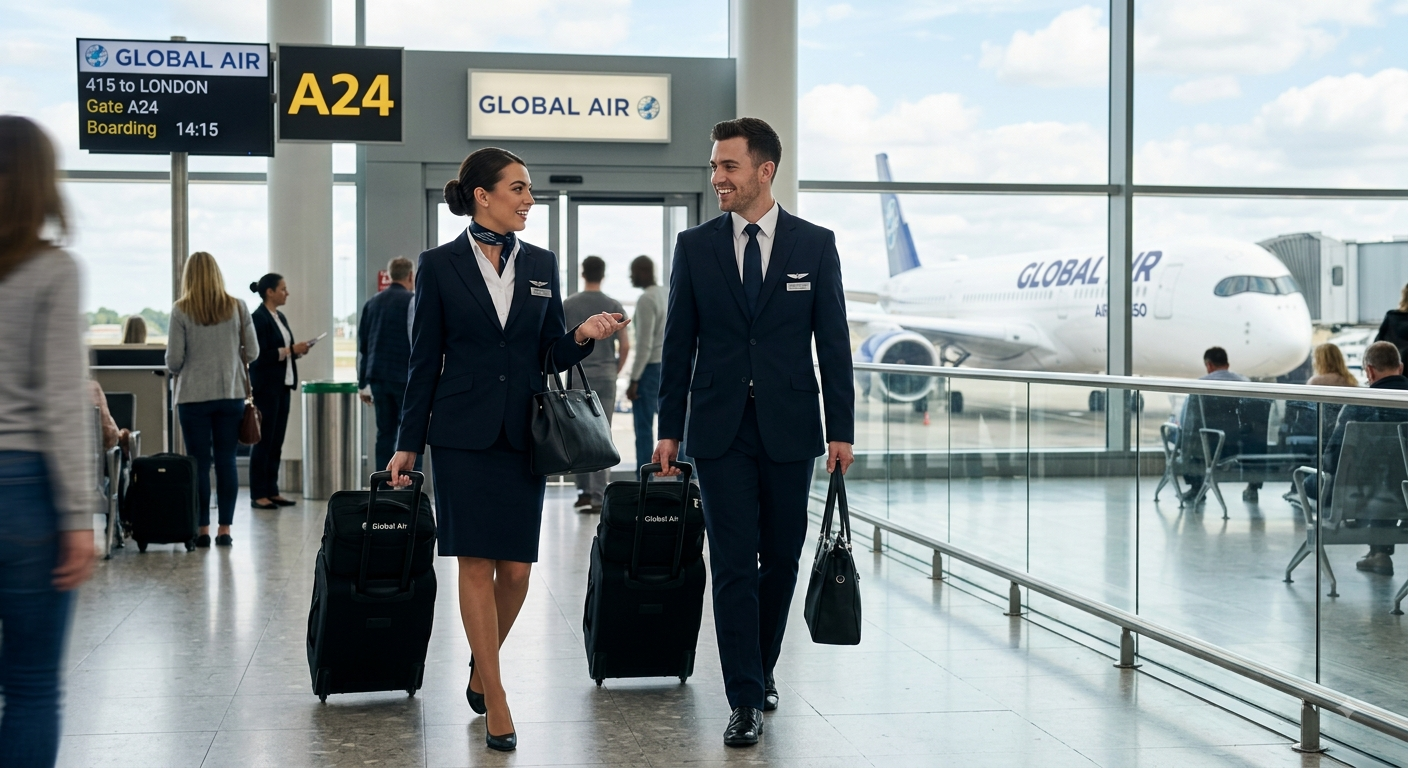
Becoming a cabin crew member is a popular career choice for students and young professionals who dream of working in the aviation industry, travelling to different destinations, and building a customer-facing career with airlines. But becoming a cabin crew member requires more than good communication and a smart appearance. Airlines look for candidates who demonstrate confidence, professionalism, teamwork, customer-service skills, and the ability to handle challenging situations.
If you are wondering how to become a cabin crew in India, this complete guide will explain the eligibility criteria, required skills, selection process, training, salary expectations, and career opportunities.
Cabin crew members are responsible for ensuring the safety, comfort, and overall experience of passengers during a flight. Their responsibilities begin before passengers board the aircraft and continue until the flight is completed.
Common cabin crew responsibilities include:
Although travelling is one of the attractive aspects of the profession, cabin crew is primarily a safety and customer-service role.
Eligibility requirements can vary between airlines and recruitment campaigns. Candidates should always check the current requirements mentioned in the airline’s official job advertisement.
Generally, airlines may look for candidates who meet requirements such as:
Most cabin crew positions require candidates to have completed Class 12 or an equivalent qualification from a recognized board.
Graduation may be beneficial for career development, although it is not necessarily required for every entry-level cabin crew position.
Airlines generally specify an age range for freshers and experienced candidates. The exact requirement can differ depending on the airline and position.
Always check the latest recruitment notification before applying.
Strong communication skills are extremely important for cabin crew. Candidates should be comfortable communicating with passengers and colleagues in English and, depending on the airline, other languages may also be useful.
Cabin crew members represent the airline throughout the passenger journey. Professional grooming, personal hygiene, appropriate attire, confident body language, and a pleasant personality are therefore important.
Airlines may have specific medical, vision, fitness, reach, or other physical requirements depending on the position and operational standards.
These requirements vary by airline, so candidates should refer to the specific recruitment notification.
Meeting the basic eligibility criteria is only the first step. During recruitment, airlines evaluate how candidates communicate, behave, and respond to different situations.
Important cabin crew skills include:
You should be able to communicate clearly, politely, and confidently with different types of passengers.
Cabin crew members regularly interact with passengers who have different expectations and needs. Patience and a service-oriented attitude are valuable skills.
Confidence helps candidates perform better during interviews, group activities, and passenger interactions.
Cabin crew members work closely with other crew members and flight operations teams. Being cooperative and respectful is essential.
Passengers may experience delays, misunderstandings, medical situations, or other challenges. Cabin crew must remain calm and follow the appropriate procedures.
Professional grooming contributes to the overall image of an airline and is an important part of cabin crew recruitment.
Aviation is a dynamic industry. Cabin crew members need to adapt to changing schedules, passengers, destinations, and operational situations.
If your goal is to start a cabin crew career, follow a structured approach.
Complete your Class 12 education from a recognized board. Focus on improving your English communication, general awareness, and interpersonal skills while completing your studies.
Research airlines and carefully check their recruitment requirements. Requirements can differ between airlines and may change over time.
Do not rely solely on information from social media or unofficial recruitment posts.
Practice speaking English regularly. Work on:
You do not need to speak with an artificial accent. Clear, natural, and confident communication is more important.
Start developing professional grooming habits before applying.
Practice:
Create a professional cabin crew resume highlighting your education, communication abilities, customer-service experience, language skills, achievements, and relevant certifications.
Keep your resume clear and easy to read.
Look for cabin crew vacancies through official airline career pages and verified recruitment channels.
Avoid anyone asking for money in exchange for a guaranteed airline job. No genuine recruiter can guarantee selection simply because you pay a fee.
The interview is one of the most important stages of the selection process.
You may encounter:
Preparation can help you answer confidently instead of memorizing random answers.
Some questions frequently asked during cabin crew interviews include:
Tell me about yourself.
This is often used to assess your communication skills, confidence, and ability to present yourself professionally.
Why do you want to become cabin crew?
Your answer should demonstrate a genuine interest in aviation, customer service, safety, teamwork, and professional growth.
Why should we hire you?
Focus on your relevant strengths rather than simply saying that you need the job.
How would you handle an angry passenger?
Show that you can remain calm, listen carefully, communicate respectfully, and follow company procedures.
What would you do during an emergency?
Safety should always be your priority. Demonstrate that you understand the importance of remaining calm and following trained procedures.
A cabin crew course is not universally mandatory for every airline. Many airlines provide their own training after selection.
However, structured training can be useful for candidates who want to improve their:
The key is to choose training that focuses on practical preparation rather than making unrealistic promises about guaranteed jobs.
Once selected, an airline typically provides training related to the duties and procedures required for the role.
Training can cover areas such as:
The exact training structure depends on the airline and position.
Cabin crew salaries can vary significantly depending on the airline, experience, position, flying hours, allowances, location, and other factors.
Entry-level compensation may differ from that of experienced cabin crew members, senior crew, and supervisory positions.
Instead of choosing an airline solely based on advertised salary figures, candidates should also consider career growth, training, work conditions, benefits, and the airline’s recruitment requirements.
Cabin crew can develop their careers through experience and additional responsibilities.
A possible career progression may include:
Cabin Crew → Senior Cabin Crew → Cabin Supervisor/Leadership Roles → Training or Other Aviation Positions
Experienced aviation professionals may also explore opportunities in areas such as:
Your career path will depend on your airline, performance, qualifications, and available opportunities.
Many candidates focus only on appearance and ignore other important parts of the selection process.
Avoid these mistakes:
Interviewers want to understand your personality and communication skills. Memorized answers can sound unnatural.
Good grooming cannot compensate for poor communication. Practice speaking clearly and confidently.
You do not need to imitate a foreign accent. Focus on clarity and confidence.
Always check the eligibility criteria, location, application procedure, and other requirements before applying.
Be extremely careful about anyone promising guaranteed airline selection in exchange for money.
Cabin crew interviews can include customer-service and situation-based questions. Practice explaining how you would respond calmly and professionally.
A good preparation routine can include:
Week 1: Improve your introduction and communication.
Week 2: Work on grooming, body language, and professional presentation.
Week 3: Practice common HR and cabin crew interview questions.
Week 4: Conduct mock interviews and improve your answers based on feedback.
You can also study aviation terminology, airline operations, customer-service concepts, and basic safety awareness.
Becoming a cabin crew member requires preparation, confidence, professionalism, and the willingness to continuously learn. Your journey does not end when you submit an application. From creating your resume to attending the interview and completing airline training, every stage requires preparation.
At InkByGA, aspiring aviation professionals can explore career-focused learning resources and courses designed to help candidates prepare for aviation interviews and develop relevant skills.
If you are serious about becoming cabin crew, start by understanding the requirements, improving your communication and presentation, researching airline vacancies, and preparing systematically for the selection process.
Yes. Many entry-level cabin crew positions accept candidates who have completed Class 12, subject to the airline’s specific eligibility requirements.
Not necessarily. Requirements vary by airline and position. Many entry-level opportunities have Class 12 as the minimum educational qualification.
Not always. Airlines generally provide job-specific training after selection. However, a good preparation course can help candidates develop communication, grooming, interview, and aviation-related knowledge.
English communication is highly important in aviation, particularly for interacting with passengers and crew. Additional language skills may also be useful depending on the airline and route network.
No. Cabin crew members have important safety, security, emergency-response, and passenger-service responsibilities. Passenger service is only one part of the job.
Yes, many airlines recruit freshers for entry-level cabin crew positions, provided they meet the airline’s eligibility criteria.
A cabin crew career can be exciting and rewarding, but it requires professionalism, discipline, communication skills, teamwork, and a strong commitment to passenger safety.
If you are asking “How can I become cabin crew?”, the answer starts with understanding airline requirements and building the right skills. Complete your education, improve communication, work on professional grooming, prepare your resume, practice interviews, and apply through legitimate airline recruitment channels.
With the right preparation and a realistic understanding of the profession, you can take a confident first step toward a career in the aviation industry.